
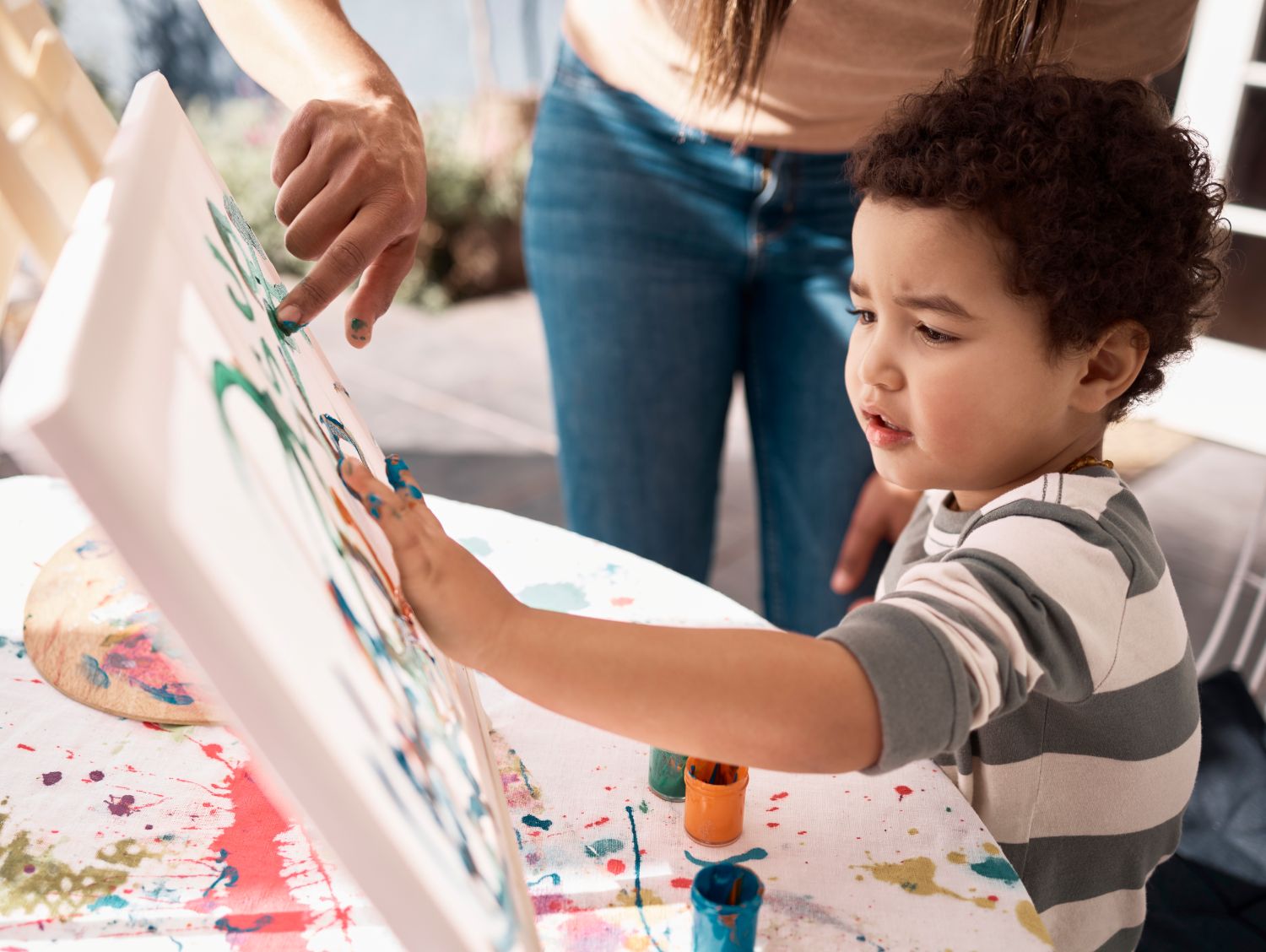
Art lessons play a vital role in the development of children, offering them a unique way to express themselves and explore their creativity. Beyond simply learning how to paint, draw, or sculpt, art education cultivates a wide range of skills that contribute to a child’s overall growth. This article delves into the numerous benefits of art lessons for children, highlighting how artistic engagement can enhance their cognitive, emotional, and social development.
1. Fostering Creativity and Imagination
Encouraging Self-Expression
Art lessons provide children with a platform to express their thoughts, feelings, and ideas visually. This self-expression is crucial for developing their unique artistic voice and cultivating creativity. When children are encouraged to think outside the box and explore different mediums, they learn to view the world from multiple perspectives.
Stimulating Imagination
Engaging in artistic activities stimulates a child’s imagination. By experimenting with colors, shapes, and textures, children can create their own worlds and narratives. This imaginative play fosters innovative thinking, which is valuable not only in art but also in problem-solving and critical thinking in other areas of life.
2. Enhancing Cognitive Development
Fine Motor Skills
Art lessons often involve activities that require precise hand movements, such as painting, cutting, and sculpting. These activities help children develop fine motor skills, which are essential for tasks like writing and typing. Improved dexterity can also enhance a child’s ability to perform everyday tasks with greater ease.
Visual-Spatial Skills
Art education enhances visual-spatial skills, which involve understanding how objects relate to one another in space. Children learn to recognize shapes, proportions, and perspectives while creating their artwork. These skills are essential in various fields, including mathematics, engineering, and architecture.
Critical Thinking
Through art, children learn to make decisions about their work, such as choosing colors, materials, and techniques. This decision-making process fosters critical thinking and encourages them to evaluate their choices and outcomes. Art lessons promote an iterative approach to learning, where children can experiment, reflect, and refine their work.
3. Supporting Emotional Development
Building Confidence
Completing an art project can boost a child’s self-esteem and confidence. As children create and share their artwork, they gain a sense of accomplishment and pride in their abilities. This confidence can extend beyond the art room, affecting their overall approach to challenges and new experiences.
Emotional Expression
Art provides a safe outlet for children to express their emotions. Whether they are happy, sad, or frustrated, engaging in creative activities allows them to process and communicate their feelings in a constructive way. This emotional expression can lead to better emotional regulation and resilience.
Stress Relief
Participating in art activities can be therapeutic, offering children a way to relax and unwind. The creative process can serve as a form of mindfulness, helping them to focus on the present moment and reduce anxiety. This calming effect is especially beneficial in today’s fast-paced and often stressful environments.
4. Promoting Social Skills
Collaboration and Teamwork
Art lessons often involve group projects or collaborative activities, encouraging children to work together and share ideas. This collaboration fosters teamwork and teaches children how to communicate effectively with their peers. Learning to give and receive constructive feedback during group art projects enhances their social interactions and builds interpersonal skills.
Cultural Awareness
Through art, children can explore different cultures and traditions, fostering an appreciation for diversity. Learning about various artistic styles and practices helps them understand the world around them and promotes empathy and respect for others.
Community Engagement
Art lessons can also involve community projects, allowing children to contribute to their local environment. Participating in community art initiatives teaches children the value of giving back and strengthens their connection to their community.
5. Encouraging Lifelong Learning
Cultivating Curiosity
Art education nurtures a sense of curiosity and exploration. Children learn to ask questions, seek answers, and experiment with different materials and techniques. This curiosity can lead to a lifelong love of learning and a willingness to explore new ideas.
Developing a Growth Mindset
Engaging in art teaches children that mistakes are part of the creative process. They learn to view challenges as opportunities for growth rather than setbacks. This growth mindset extends beyond art, encouraging resilience and perseverance in all areas of life.
Conclusion
Art lessons offer numerous benefits for children, from fostering creativity and enhancing cognitive skills to supporting emotional development and promoting social skills. By providing a platform for self-expression and exploration, art education equips children with essential life skills that will serve them well throughout their lives. As parents and educators, recognizing the value of art in a child’s development is crucial. Encouraging artistic engagement not only enriches their educational experience but also helps unleash their full potential. Embrace the power of art and watch as your child flourishes creatively, emotionally, and socially.