
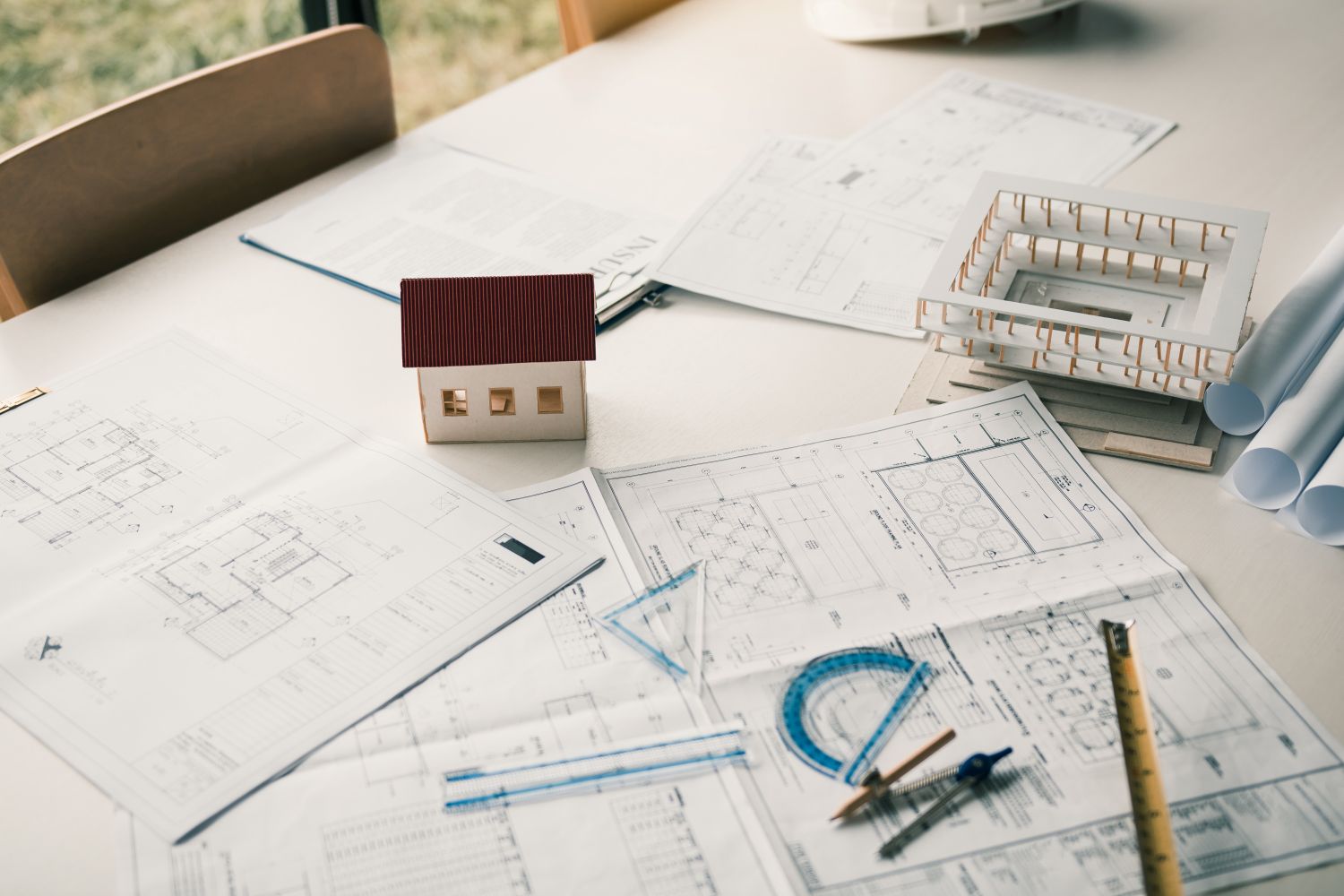
Building your dream home is an exciting and significant milestone that represents a combination of personal vision, investment, and hard work. One of the most crucial decisions you will face during this process is whether to hire a professional contractor or take the DIY (do-it-yourself) route. Each approach has its advantages and challenges, and the right choice will depend on your skills, budget, timeline, and personal preferences. This article will explore the benefits and drawbacks of hiring a professional versus taking on the project yourself, helping you make an informed decision.
The Case for Hiring a Professional
1. Expertise and Experience
Hiring a professional contractor or builder brings a wealth of knowledge and experience to the table. They understand the complexities of construction, including local building codes, zoning regulations, and safety standards. Their expertise can help you avoid costly mistakes and ensure that your home is built to high standards.
2. Time Efficiency
Building a home is a time-consuming process that involves numerous tasks, from planning and design to construction and finishing touches. A professional contractor has the resources and manpower to complete the project more efficiently than an individual homeowner. This can save you significant time, allowing you to focus on other aspects of your life.
3. Access to Resources
Professionals typically have established relationships with suppliers, subcontractors, and skilled laborers. This access to resources can lead to better pricing on materials, timely deliveries, and high-quality workmanship. Additionally, they can coordinate all aspects of the project, from plumbing and electrical work to landscaping, ensuring a seamless process.
4. Project Management
A professional contractor will manage the entire building process, handling scheduling, budgeting, and problem-solving. This can alleviate stress for homeowners, allowing them to enjoy the journey of building their dream home without getting bogged down in the details.
5. Quality Assurance
Experienced builders have the skills to ensure that the construction meets quality standards. They can identify potential issues before they become significant problems and provide warranties on their work, giving you peace of mind about your investment.
The Case for Going DIY
1. Cost Savings
One of the primary motivations for pursuing a DIY approach is the potential for cost savings. By taking on the work yourself, you can avoid labor costs associated with hiring professionals. This can be particularly appealing if you have a limited budget and are willing to invest your time and effort.
2. Personal Satisfaction
Building your own home can be a deeply rewarding experience. The sense of accomplishment that comes from completing tasks and watching your vision come to life is unmatched. For many, the process of building their dream home is as fulfilling as the final product.
3. Creative Control
A DIY approach allows you to have complete control over every aspect of the project, from design choices to materials used. This flexibility enables you to express your personal style and preferences, ensuring that the final result aligns with your vision.
4. Learning Experience
Taking on a DIY project can be an excellent opportunity for personal growth and skill development. You’ll learn valuable skills related to construction, design, and project management, which can benefit you in future endeavors.
5. Flexibility in Timeline
When you manage the project yourself, you can set your own timeline. This flexibility allows you to work at your own pace, accommodating other commitments and responsibilities in your life.
Weighing the Pros and Cons
Considerations for Hiring a Professional
| Pros | Cons |
|---|---|
| Expertise and experience | Higher costs |
| Time efficiency | Less personal involvement |
| Access to resources | Potential communication issues |
| Project management | Dependence on contractor timelines |
| Quality assurance | Limited creative control |
Considerations for Going DIY
| Pros | Cons |
|---|---|
| Cost savings | Time-consuming |
| Personal satisfaction | Potential for mistakes |
| Creative control | Lack of expertise |
| Learning experience | Project management challenges |
| Flexibility in timeline | Stress and workload |
Making Your Decision
Assess Your Skills and Experience
Before deciding, evaluate your own skills and experience in construction and home improvement. If you have a background in these areas, a DIY approach may be more feasible. However, if you lack experience, hiring a professional may be the safer choice.
Consider Your Time Commitment
Building a home requires significant time and effort. Assess your availability and willingness to commit to the project. If you have a busy schedule or other responsibilities, hiring a professional may be the more practical option.
Define Your Budget
Determine your budget for the project, including materials and labor costs. While a DIY approach may save you money, consider the potential costs of mistakes or delays. If your budget allows, hiring a professional can provide assurance and quality that may be worth the investment.
Seek Professional Advice
If you’re uncertain about your decision, consider consulting with professionals in the field. They can provide insights based on your specific situation and help you weigh the pros and cons of each approach.
Conclusion
Deciding whether to hire a professional or take the DIY route when building your dream home is a significant choice that depends on various factors, including your skills, budget, and personal preferences. Both approaches have their advantages and challenges, and understanding these can help you make an informed decision that aligns with your vision. Whether you choose to work with professionals or embark on a DIY adventure, the journey of building your dream home can be a rewarding experience that ultimately leads to a space that reflects your unique style and needs.